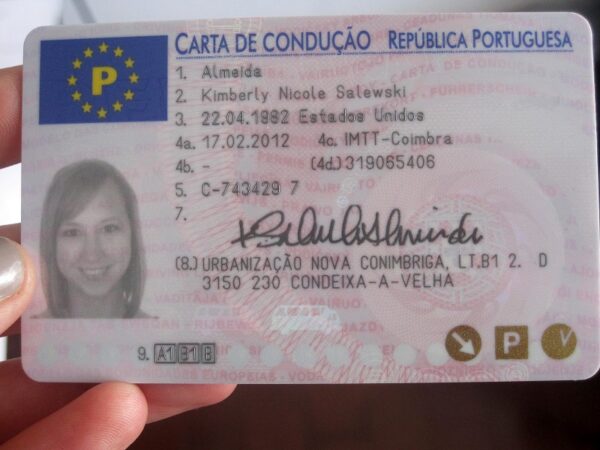
The Road to Freedom: A Comprehensive Guide to Earning Your Driving License with Ease
Protecting a driving license is not simply an initiation rite; it empowers people with the liberty of mobility, self-reliance, and the ability to explore a world beyond their immediate environments. While the process can in some cases appear difficult, there are numerous strategies and resources available to streamline the journey. This article lays out the crucial steps, suggestions, and often asked questions relating to getting a driving license, guaranteeing a smooth shift into the world of driving.
Comprehending the Process of Getting a Driving License
The journey to getting a driving license varies substantially from one region to another. Nevertheless, it generally includes the following steps:
- Eligibility Check: Age limitations, needed documents, and pre-qualification requirements.
- Written/Knowledge Test: Understanding roadway signs, traffic laws, and safe driving practices.
- Learner's Permit: Issuing a short-term permit to enable supervised driving.
- Driving Lessons: Taking behind-the-wheel training with a qualified instructor or a certified grownup.
- Driving Test: Demonstrating useful driving abilities in a controlled environment.
- License Issuance: Receiving the complete driving license after passing tests and satisfying any extra requirements.
Table 1: General Steps to Getting a Driving License
| Step | Description |
|---|---|
| 1. Eligibility Check | Examine age and documentation requirements. |
| 2. Knowledge Test | Pass a composed test on traffic laws and road indications. |
| 3. Learner's Permit | Obtain a short-term authorization for supervised driving. |
| 4. Driving Lessons | Complete lessons with a licensed instructor. |
| 5. Driving Test | Pass a practical driving test to show abilities. |
| 6. License Issuance | Receive the driving license upon completion. |
Tips for Earning Your Driving License Easily
1. Prepare for the Written Test
- Study the Driver's Handbook: Most states offer a handbook outlining necessary understanding needed for the examination.
- Take Practice Tests: Online resources and mobile apps provide practice tests that replicate the genuine test environment.
- Know Your Road Signs: Familiarize yourself with typical roadway signs and their significances, as they are vital to passing both the composed test and driving examination.
2. Register in a Driver's Education Program
- Certified Instructors: Consider registering in a program taught by licensed trainers.
- Benefits of Education: Many states provide discount rates on insurance premiums for graduates of driving courses.
- Structured Learning: Driver's education courses offer structured lesson strategies covering both theory and practice.
3. Practice Driving
- Log Hours Behind the Wheel: Use your learner's authorization to build up supervised driving hours, sticking to the needed guidelines.
- Vary Road Conditions: Drive in various conditions-- highways, parking area, and during numerous weather condition scenarios-- to diversify your experience.
- Focus on Weak Areas: Identify and practice areas that might need improvement, such as parallel parking or highway combining.
4. Stay Relaxed and Confident
- Pre-Test Preparation: Before the driving test, acquaint yourself with the testing area and the car you'll be using.
- Rest Before the Test: Ensure an excellent night's sleep before the test day to remain sharp and focused.
- Stay Calm: Practice relaxation methods, such as deep breathing, to remain calm during the driving test.
5. Know Your Rights and Responsibilities
- Understand Local Laws: Familiarize yourself with your state's driving laws, consisting of penalties for offenses.
- Rights During Testing: Know your rights as a test taker; if something feels unjust or mishandled during testing, you might request for information or a re-evaluation.
Frequently Asked Questions (FAQs)
1. What is why not try this out to obtain a driving license?
The minimum age can differ by state or country, however it generally ranges in between 16-18 years for a full driving license. Some regions use learner's permits previously, often around age 15.
2. The length of time does it require to get a driving license?
The time it requires to earn a driving license varies depending on individual preparation, agency efficiency, and available resources. On Pontos Para Renovar Carta De Condução , it might take anywhere from a few weeks to numerous months.
3. Are online driving tests readily available?
Numerous jurisdictions now provide online written tests. However, the behind-the-wheel driving test is generally conducted personally.
4. Can I use my own car for the driving test?
Most of the times, candidates can use their car for the driving test as long as it satisfies safety and registration policies. It's best to verify with the screening agency ahead of time.
5. What should I bring on test day?
Prospects normally need to bring:
- Valid student's permit
- Identification (e.g., birth certificate, ID card)
- Proof of insurance for the test vehicle
- Any required charges
Getting a driving license opens doors to countless chances and experiences. By understanding the steps included, preparing sufficiently for tests, and practicing regularly, people can browse this process with ease. The road to making a driving license is not practically passing tests; it is an investment in one's independence and movement. With Etapas Para Obter Carta De Condução and the right resources, anyone can attain this considerable milestone in their life.